Sustainability Grants Get Involved Education and Research Topics Progress About
Sustainability Grants
Sustainability Fund Sustainability Mini-Grant Other Funding Sources
Get Involved
Students Faculty Staff Everyone
Education and Research
Majors, Minors & Graduate Programs Sustainability Advisors Teaching Sustainability Research Centers Living & Learning Programs Student Projects
Topics
Buildings Energy Food Landscape Transportation Waste Water
Progress
Our Commitments Progress Hub: SustainableUMD Data & Stories Reports & Resources
About
Contact Us News Office of Sustainability Sustainability Council SustainableUMD Network
Sustainability Fund Sustainability Mini-Grant Other Funding Sources
Students Faculty Staff Everyone
Majors, Minors & Graduate Programs Sustainability Advisors Teaching Sustainability Research Centers Living & Learning Programs Student Projects
Buildings Energy Food Landscape Transportation Waste Water
Our Commitments Progress Hub: SustainableUMD Data & Stories Reports & Resources
Contact Us News Office of Sustainability Sustainability Council SustainableUMD Network

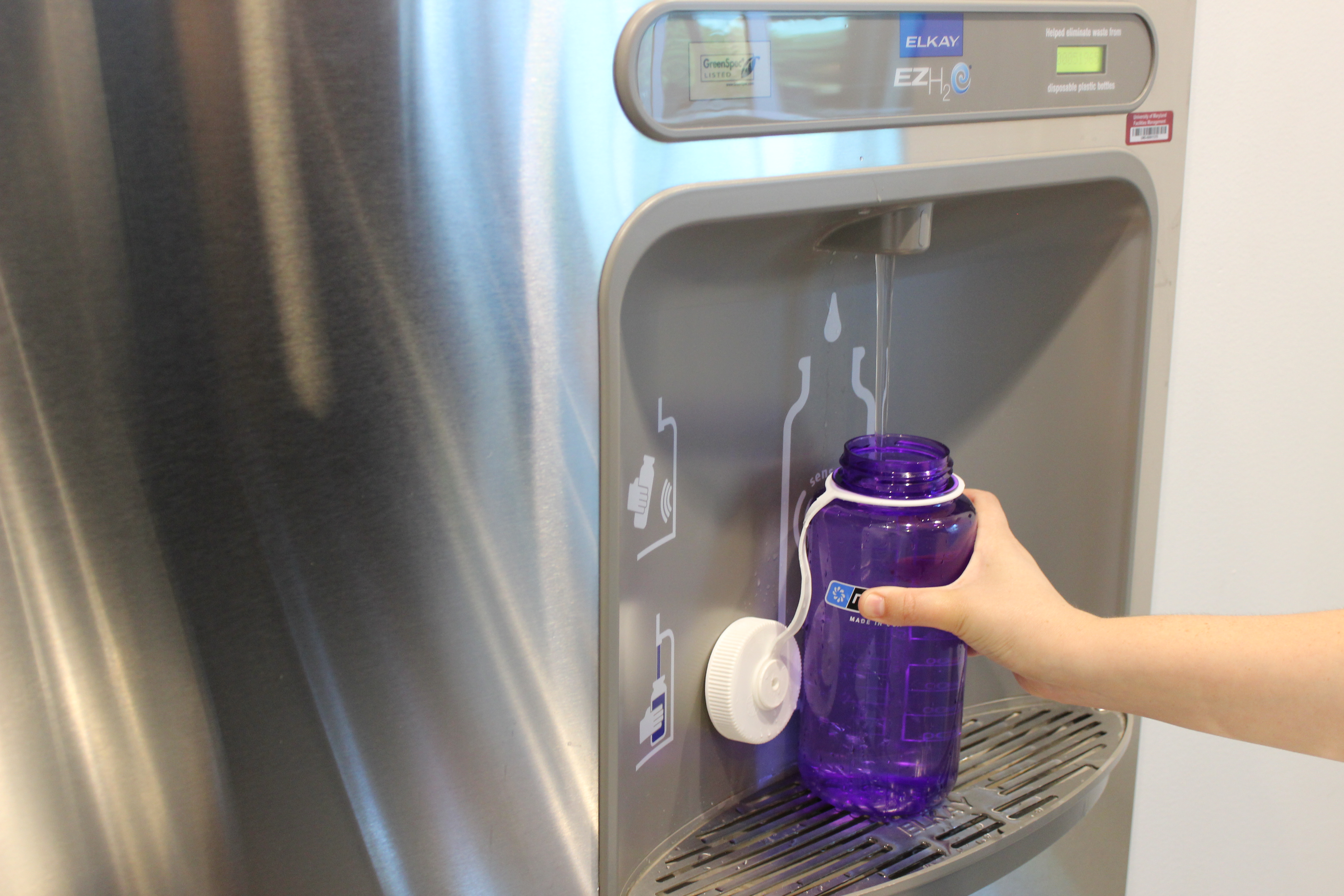
Water Bottle Filling Station

Over a hundred water bottle filling stations are available across campus. Cold, filtered water pours easily into the dispensers which are the right shape and size for most bottles to refill.  

Glass Dumpster

On campus, glass cannot be placed in mixed recycling bins. 
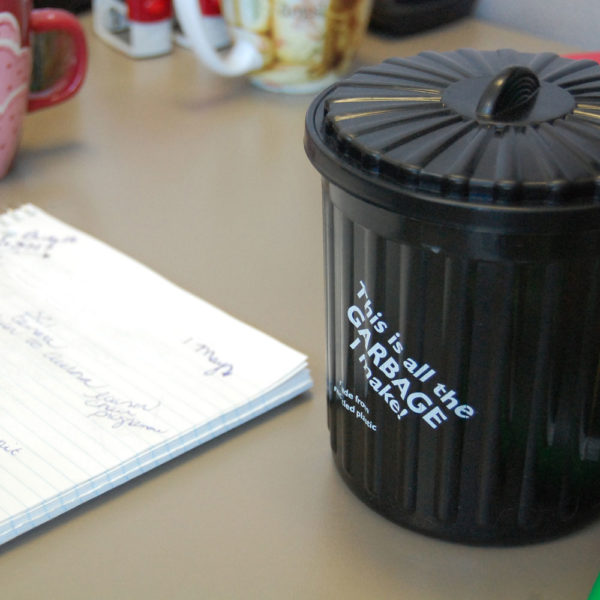
Image of a small mini waste binIn 2010 Facilities Management adopted the Mini Bin Waste Collection Program for all offices and individual workspaces on campus. This mini trash bin has replaced all standard, desk-side trash cans and is to be used by employees to collect all non-recyclable trash that will be sent to the landfill.
Campus Race to Zero Waste LogoFormerly known as RecycleMania, the Campus Race to Zero Waste is an annual 8-week competition, which challenges colleges and universities across the United States and Canada to collect the la

Simply put, compost is anything natural that comes from the earth that will decompose over time. This includes the following: food scraps, soiled paper, paper containers, tea bags, coffee grounds, and compostable plastics.  At the University of Maryland, you can find compost collection bins throughout campus. Please limit contamination by only placing compostable items in these bins. Learn more on the UMD Facilities Management site.

Portrait of Sally DeLeon

Sally DeLeon

Sustainability Manager

View Profile for Sally DeLeon

Portrait of Scott Lupin

Scott Lupin

Director

View Profile for Scott Lupin

Water for Food Deserts

Student Aquaponics Project Could Help County Grow Urban Agriculture in Empty BuildingsRead More
View Article Details for Water for Food Deserts
SustainableUMD
4716 Pontiac St, College Park, MD 20740
sustainability@umd.edu