Double Duty
Fighting Phantom Flushes
- get involved - terps heart the tap
The UMD campus has invested in many projects that reduce water consumption and manage stormwater to prevent watershed pollution. The natural and built environments of UMD’s campus brim with examples if you know where to look.
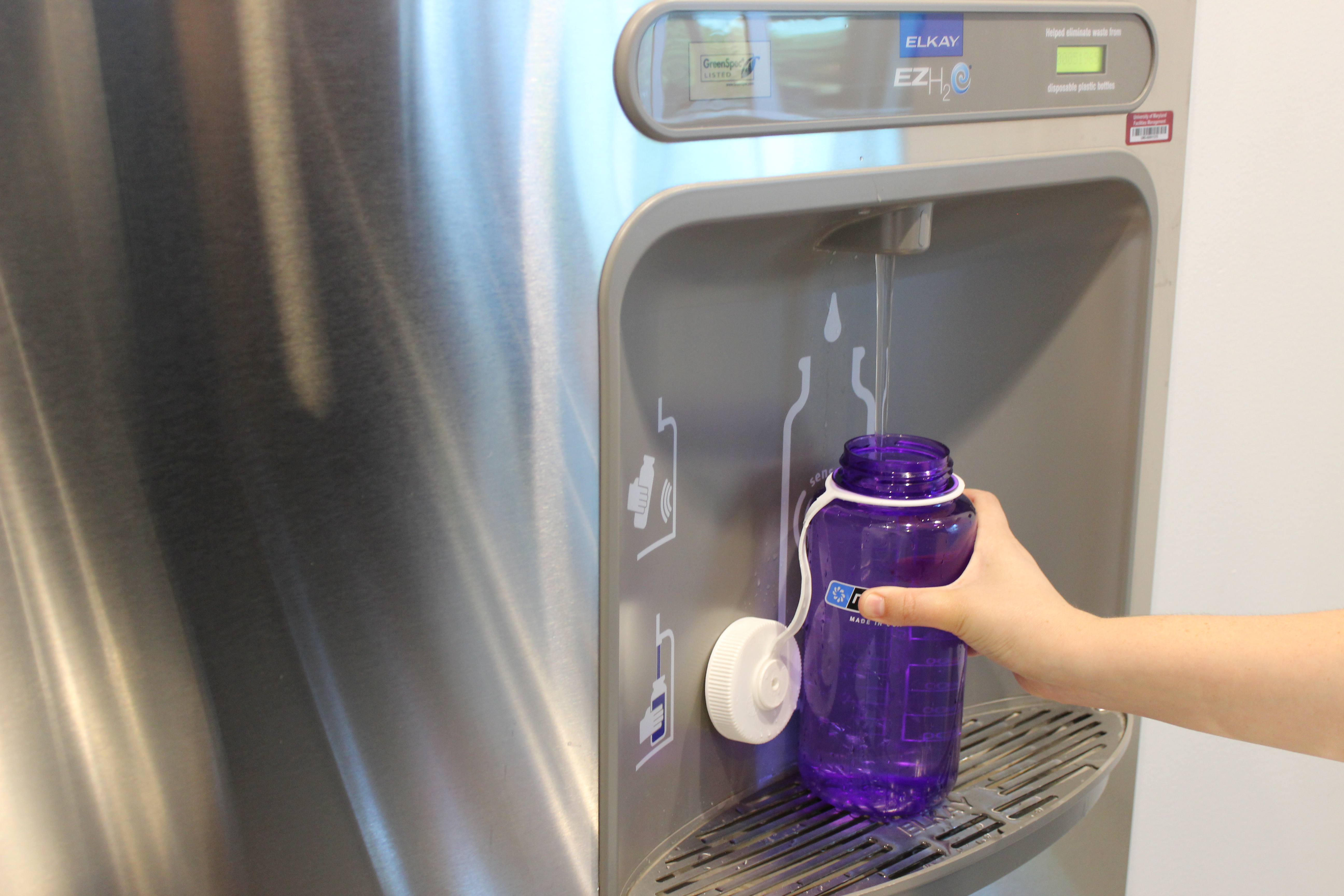
Over a hundred water bottle filling stations are available across campus. Cold, filtered water pours easily into the dispensers which are the right shape and size for most bottles to refill.

On campus, glass cannot be placed in mixed recycling bins.
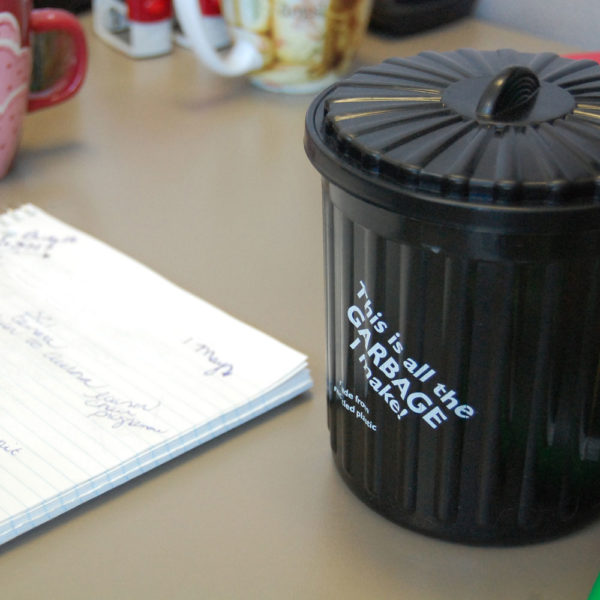 In 2010 Facilities Management adopted the Mini Bin Waste Collection Program for all offices and individual workspaces on campus. This mini trash bin has replaced all standard, desk-side trash cans and is to be used by employees to collect all non-recyclable trash that will be sent to the landfill.
 Formerly known as RecycleMania, the Campus Race to Zero Waste is an annual 8-week competition, which challenges colleges and universities across the United States and Canada to collect the la
Simply put, compost is anything natural that comes from the earth that will decompose over time. This includes the following: food scraps, soiled paper, paper containers, tea bags, coffee grounds, and compostable plastics. At the University of Maryland, you can find compost collection bins throughout campus. Please limit contamination by only placing compostable items in these bins. Learn more on the UMD Facilities Management site.